From $79 · Free estimates
Oven Repair in Mount Holly, NC
Inconsistent baking is not always a settings problem. We evaluate heating circuits, temperature sensing, door closure, and the way your oven cycles.
What the service involves
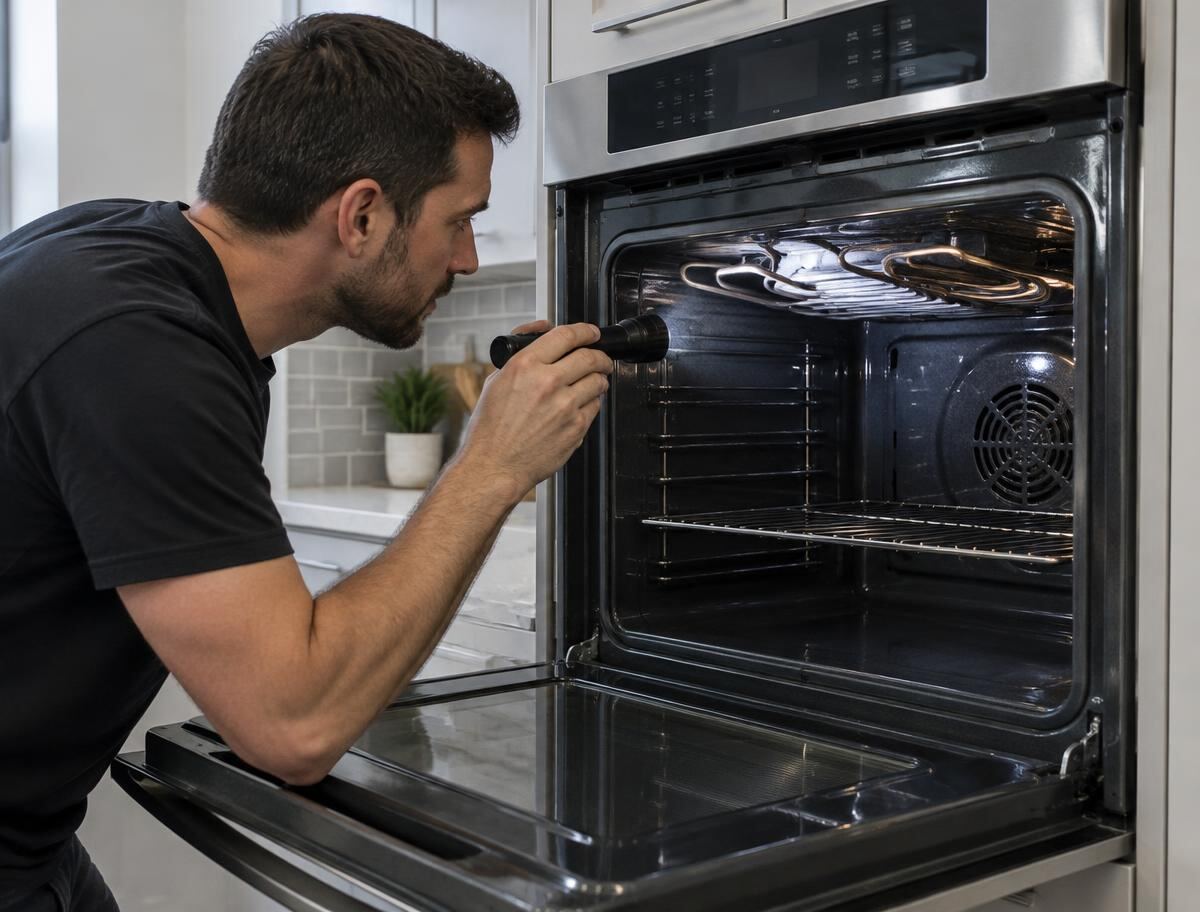
Oven Repair in Mount Holly, NC begins with understanding how the oven behaves across preheating and cooking, not simply comparing one thermometer reading with the display. An oven that never heats presents a different pattern from one that overshoots repeatedly or loses temperature after the door opens. We ask which cooking modes are affected, whether a code appears, and how results have changed. Those observations guide checks of heating, ignition, sensing, and control functions before a repair recommendation is made.
Our Oven Repair process follows the components involved in producing and regulating heat. Electric models may need multimeter checks of bake and broil elements, connections, and control outputs. Gas models may require ignition-sequence evaluation and manometer measurements when pressure is relevant. Thermistor or temperature-sensor tests can help determine whether the control receives plausible readings. Convection fans, door seals, and selected cooking modes also matter, so diagnosis considers the complete heating pattern rather than treating every uneven result as a failed thermostat.
Ovens in residential and commercial use can develop performance issues gradually, making a clear record of symptoms especially helpful. With 20+ years of appliance experience, we explain relevant test findings and discuss the scope of proposed work. Rack position, cookware, door opening, and calibration settings may contribute to results, but they do not rule out a component fault. Free estimates are available, and we are open 24 hours with emergency service available for urgent appliance concerns affecting cooking equipment.
Warning signs
Common problems and warning signs
Oven Never Reaches Temperature
A failed element, weak ignition, supply fault, or control issue can prevent adequate heating. A lit display does not confirm that the heating system receives the required power.
Baking Results Change Repeatedly
Unexpected scorching or undercooking can involve temperature sensing, heat cycling, or a failing heating circuit. Track mode and cooking conditions rather than changing calibration repeatedly.
Broil Works but Bake Fails
Separate heating paths can allow broiling while normal baking remains unavailable. The working mode helps guide testing but does not identify the failed component by itself.
Convection Fan Sounds Abnormal
Rubbing, rattling, or absent airflow may involve the fan, surrounding components, or control behavior. Some modes cycle the fan normally, making the selected setting relevant.
Door Does Not Close Properly
Worn hinges, damaged seals, or an obstruction can affect closure and heat retention. Forcing the door can worsen alignment or damage the surrounding surfaces.
Door Remains Locked
A lock mechanism or interrupted control sequence may prevent release after a cleaning cycle. Do not pry the door or attempt to bypass the locking system.
Our solutions
What the work includes
Methods and tools are matched to your appliance and the symptom — not a one-size-fits-all parts swap.
- 01
Heating-Circuit Diagnosis
Test applicable bake and broil elements, accessible wiring, and control outputs with a multimeter to identify why an electric oven cannot produce the expected heat.
- 02
Gas Ignition Assessment
Observe the ignition sequence and evaluate relevant components, using manometer readings when pressure needs checking instead of adjusting fuel delivery based on appearance alone.
- 03
Temperature-Sensor Evaluation
Compare sensor resistance and observed heating behavior with model-specific information to distinguish inaccurate feedback from a heating or control problem.
- 04
Door and Airflow Inspection
Examine applicable hinges, seals, convection components, and vent conditions to identify mechanical or airflow concerns that affect heat distribution and retention.
- 05
Cooking-Mode Operation Review
After applicable work, observe relevant heating modes and control response, explaining any remaining settings, cookware, or installation factors that influence performance.
Benefits of professional service
Evidence Beyond One Reading
Temperature trends and heating cycles provide a more useful basis for repair recommendations than a single momentary comparison with the display.
Mode-Specific Explanations
Understand why a working broiler, fan, or light does not establish that the bake circuit and temperature controls are functioning correctly.
Practical Cooking Context
Discuss rack position, cookware, and door use without allowing those factors to substitute for needed electrical or mechanical testing.
Informed Approval Process
Request a free estimate and review the proposed scope before deciding whether to proceed with the recommended oven work.
Why choose us
Why customers trust our technicians
Straight answers, careful diagnostics and a team that picks up the phone any hour.
- 01
20+ years on the job
Two decades of hands-on repair work means fewer guesses and faster, more accurate diagnoses.
- 02
Open 24 hours
Appliances don't break on a schedule. Call any time of day or night, including emergencies.
- 03
Free estimates
You hear what's wrong and what it will take before any work begins — no surprises.
- 04
Root-cause diagnostics
We test components with proper meters and gauges instead of swapping parts until something works.
- 05
Homes and businesses
From family kitchens and laundry rooms to restaurant lines and commercial equipment.
- 06
Careful workmanship
Floors protected, work areas cleaned, and every repair tested before we leave.
Our process
How to schedule this service
Five simple steps from the first call to a fully tested appliance.
- 1
Call or request service
Phone us any hour or send the request form with your appliance and the problem you're seeing.
- 2
Talk through the issue
We ask a few quick questions about the symptoms, model and timing so the right tools come along.
- 3
Get a free estimate
A technician inspects and tests the appliance, then explains the cause and the cost up front.
- 4
Professional repair
With your approval, we replace or repair the faulty parts and handle the work cleanly.
- 5
Test and confirm
We run the appliance through a full cycle and make sure you're satisfied before we wrap up.
Project examples
Recent work
Real photos from our own jobs. We never present stock images as completed work.
Recent work
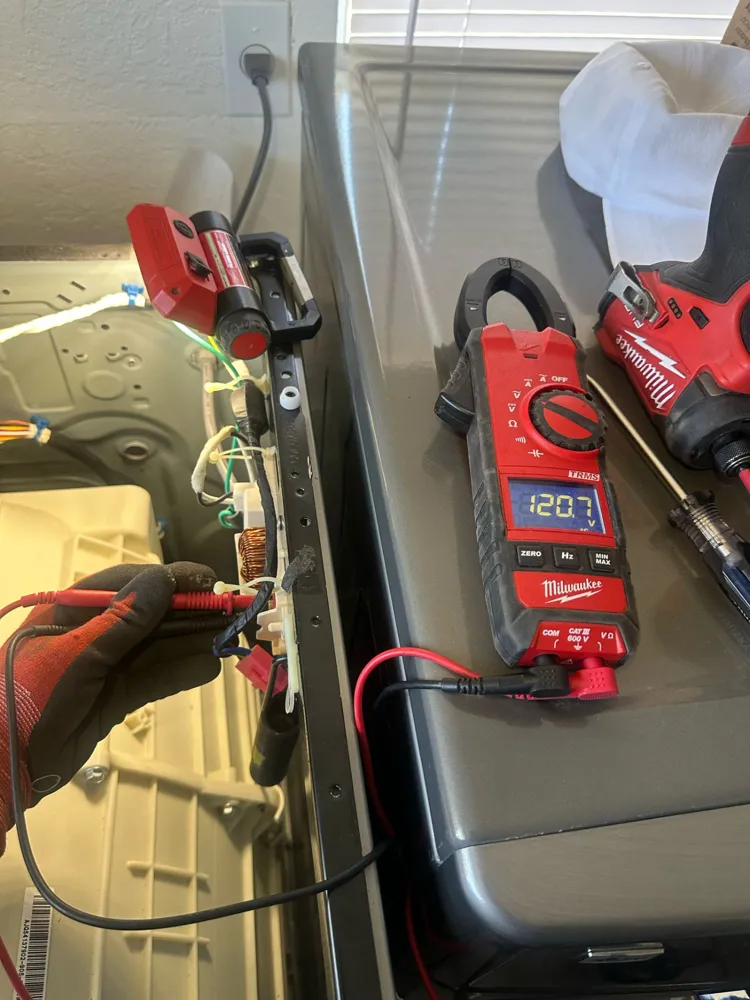
Washer electrical testing
Checking voltage and control wiring with a meter to pinpoint the fault.
Recent work
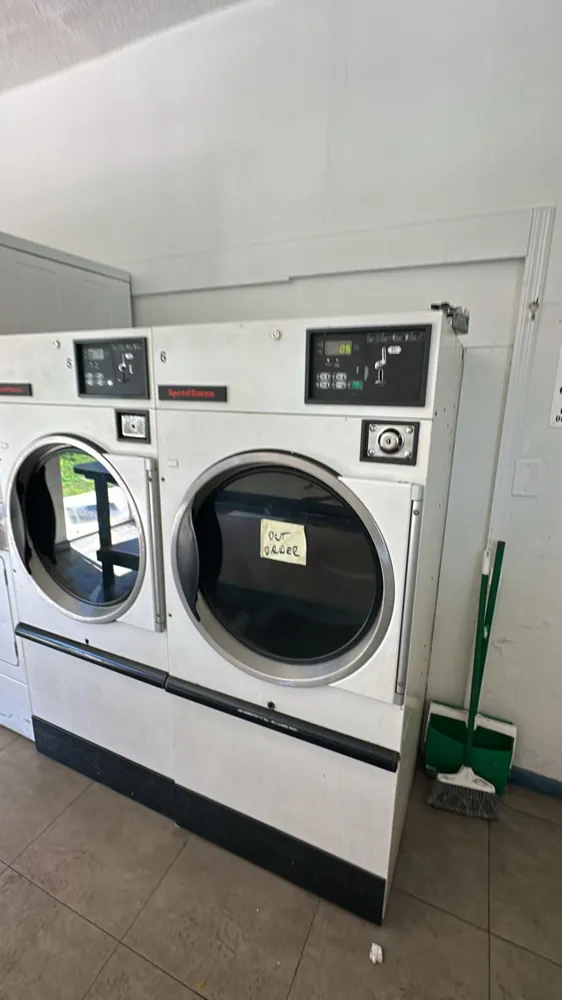
Commercial dryer service
Stacked commercial dryers serviced for a laundry room.
Recent work
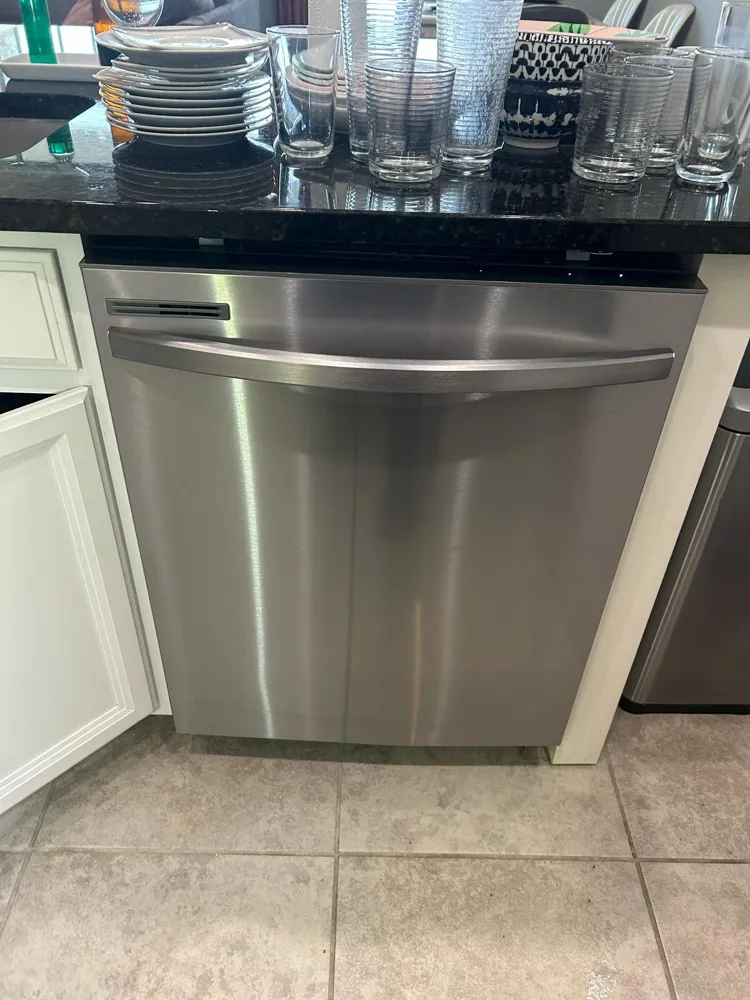
Dishwasher installation
New stainless dishwasher fitted, leveled and tested.
Related services
You may also need
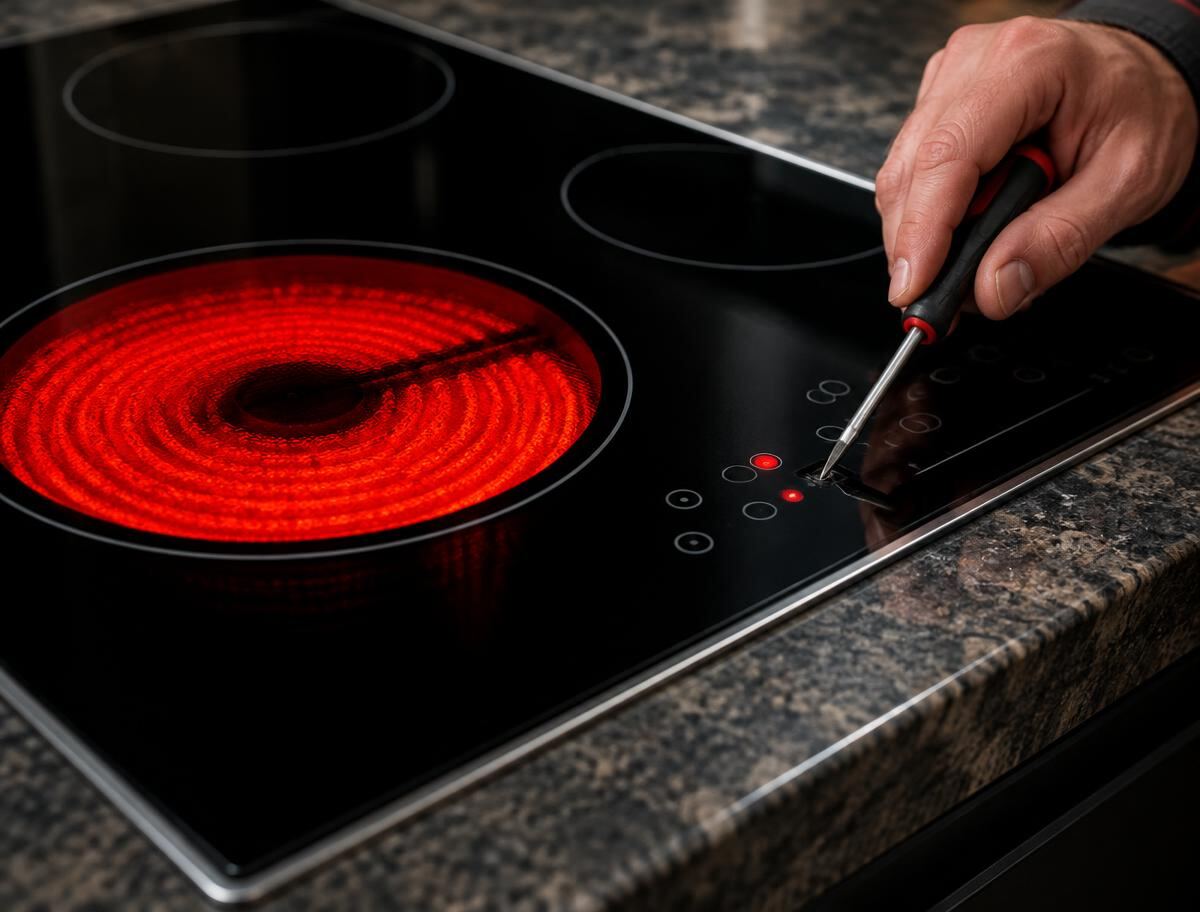 Cooktop Repair
Investigate uneven heating, ignition trouble, unresponsive controls, and surface-element failures with diagnostic checks suited to your gas, electric, or induction cooktop.
Learn more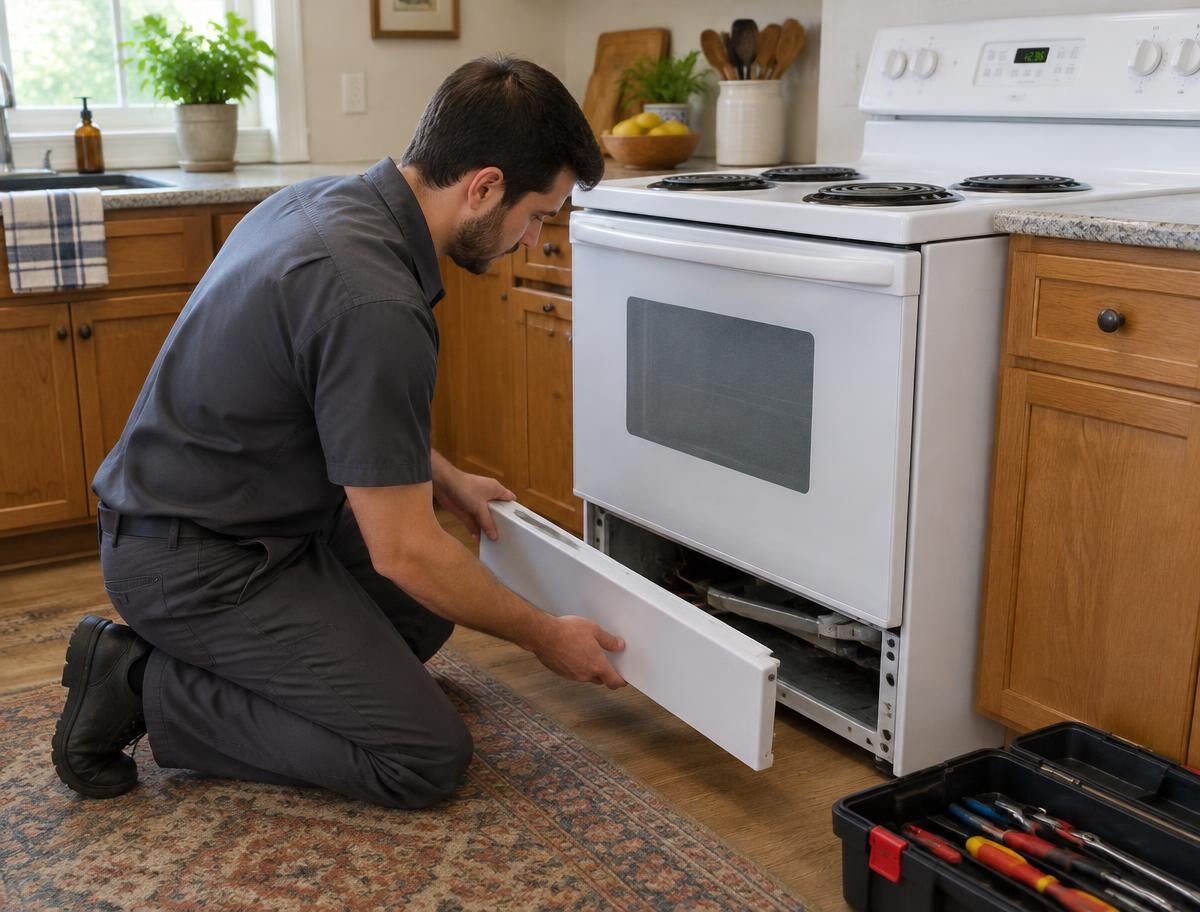 Stove Repair Service
Restore a clearer understanding of stove heating, ignition, and control problems through testing that distinguishes surface cooking faults from oven issues.
Learn more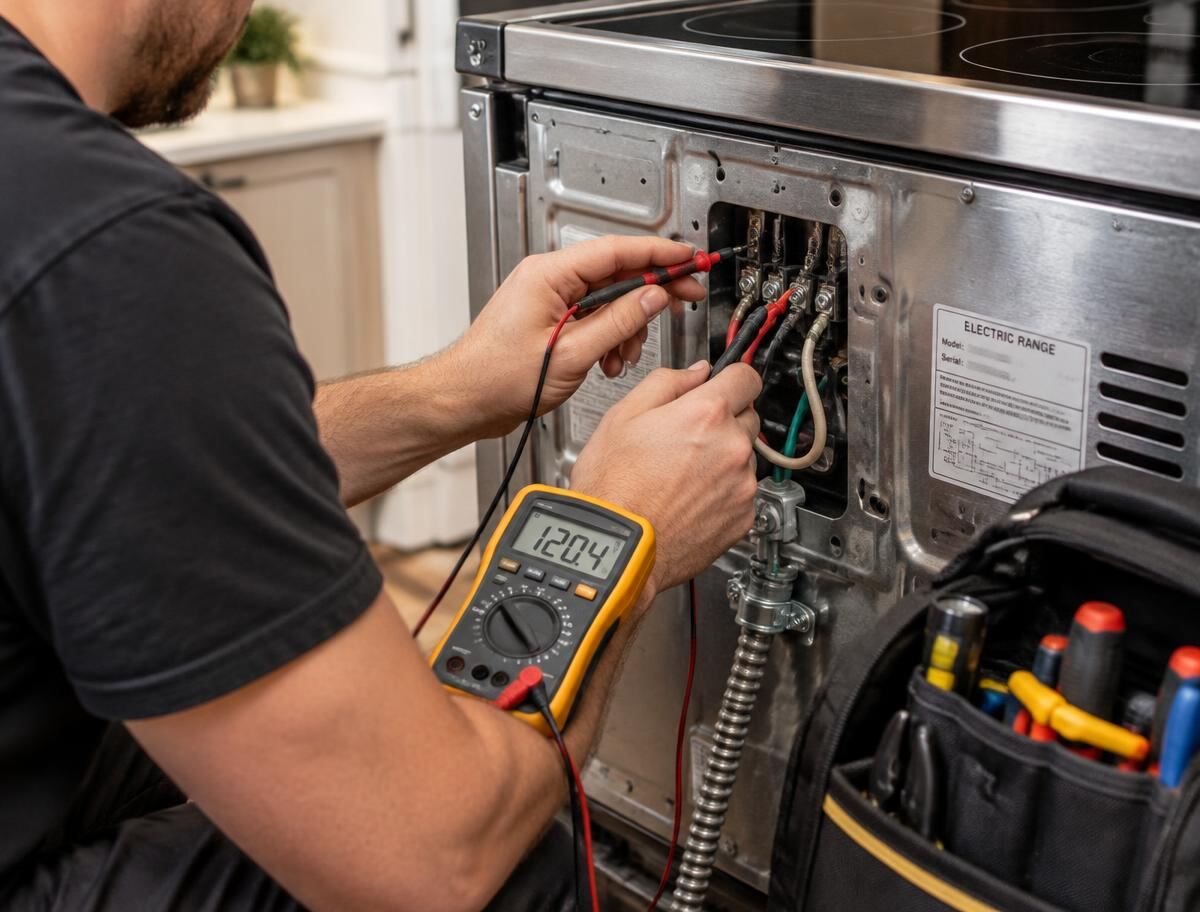 Electric Appliance Repair
Investigate electric appliance heating failures, power interruptions, faulty switches, and control issues with measurements that help isolate the underlying problem.
Learn more
Service coverage
This service is available to homes and businesses in Mount Holly, NC. See what's available locally.
FAQs
Oven Repair questions
Is temperature cycling normal during baking?
Yes. Many ovens alternate heating on and off around a target temperature, and the display may show the selected setting rather than every fluctuation. Opening the door also changes conditions. Repeated poor results deserve attention, but a single thermometer reading is not enough to diagnose a fault. Note the cooking mode and performance over time.
Why does broil work when bake does not?
Bake and broil commonly use different heating components or control paths. A working broiler therefore does not rule out a failed bake element, ignition issue, connection fault, or control problem. Avoid using broil as an improvised substitute for normal baking. Describe which modes work so diagnostic testing can follow the affected circuit or ignition sequence.
Can I adjust calibration to fix uneven baking?
Calibration may address a consistent temperature offset when the manufacturer provides that setting, but it does not repair a failed element, sensor, fan, or door seal. Uneven results can also involve cookware and rack placement. Check the owner's manual, record repeated results, and avoid repeated adjustments that make the original symptom harder to assess during diagnosis.
What should I do if the oven door stays locked?
Allow the oven to cool and consult the owner's manual for its normal lock-release procedure. Do not force the handle, pry the door, or bypass the lock. A persistent lock can involve the mechanism, temperature feedback, or control sequence. Note any error message and whether the problem began during a cleaning cycle before requesting inspection.
When should I stop trying to heat the oven?
Stop attempts if you notice gas odor, a burning electrical smell, uncontrolled heating, or repeated breaker trips. Leave the appliance unused and avoid opening panels or adjusting gas components. For gas odor, leave the area and contact the gas utility or emergency services. For appliance concerns, we offer free estimates and emergency service is available.
Free estimate
Request a free estimate
For oven trouble, contact Redtell Appliance Repair with the cooking modes affected and the symptoms you have observed safely. We evaluate heating, sensing, ignition, and door concerns for residential and commercial customers. Ask for a free estimate and an explanation of the proposed work, or discuss emergency service when a cooking appliance needs urgent attention before further use.
- Call any time(980) 270-2101
- Info@redtellappliancerepair.com
- Message us on WhatsApp
- Open 24 hours, 7 days a week