From $79 · Free estimates
Dryer Repair Service in Mount Holly, NC
Longer cycles are not always a heater problem. Dryer performance depends on heat, airflow, drum movement, and controls working together.
What the service involves
Dryer Repair Service in Mount Holly, NC begins by distinguishing a dryer that produces no heat from one that cannot move moisture out effectively. Both can leave clothing damp, but they lead to different checks. We ask how long loads take, whether the cabinet becomes unusually hot, and whether the drum turns normally. Those observations help guide inspection of airflow, heating components, and the operating controls.
Our Dryer Repair Service addresses gas and electric dryer symptoms with methods suited to the equipment. An electric model may need heating-circuit measurements, while a gas model can require ignition-system checks. Mechanical complaints call for inspection of the belt, rollers, idler, or other drum supports. Moisture-sensing problems require another approach, because an early shutdown can occur even when the appliance is capable of producing adequate heat.
Dryers also depend on conditions beyond the cabinet, including the exhaust connection and route. A restriction can affect drying performance and contribute to overheating, so we explain relevant venting observations rather than treating every slow load as an internal part failure. We serve residential and commercial customers, offer free estimates, and have emergency service available. Stop using a dryer that smells scorched or shows signs of excessive heat.
Warning signs
Common problems and warning signs
Clothes Need Repeated Cycles
Loads that stay damp after normal settings may reflect restricted airflow, weak heating, overloading, or sensing problems. Increasing cycle length repeatedly does not address the underlying performance issue.
Drum Turns Without Heat
Normal tumbling with cold air can involve an electric heating circuit, gas ignition components, a protective device, or supply trouble. The motor running does not identify the failed part.
Dryer Becomes Excessively Hot
An unusually hot cabinet, scorched odor, or repeated thermal shutdown can indicate airflow restriction or temperature-control trouble. Stop operation rather than testing additional loads under the same conditions.
Squealing or Thumping Sounds
Persistent squeals, rhythmic thumps, or scraping during drum rotation can involve support rollers, a belt idler, seals, or trapped objects. Noise location and timing help guide mechanical inspection.
Drum Will Not Rotate
A start attempt that produces humming or no drum movement may involve a belt, motor, switch, or obstruction. Avoid repeated attempts if the motor strains without turning.
Automatic Cycle Ends Early
Clothing left damp after an unexpectedly short sensor cycle may involve load characteristics, sensor contamination, wiring, or control behavior. Compare observations with timed drying without bypassing safety features.
Our solutions
What the work includes
Methods and tools are matched to your appliance and the symptom — not a one-size-fits-all parts swap.
- 01
Airflow Condition Assessment
Inspect the accessible exhaust connection and relevant internal airflow areas, noting restrictions or installation conditions that may require correction beyond a component repair.
- 02
Heating System Testing
Evaluate appropriate elements, thermal devices, igniters, and controls according to dryer type, using measurements and operating observations to narrow the fault.
- 03
Drum Drive Inspection
Examine applicable belts, rollers, idlers, bearings, and seals for wear or damage associated with noise, resistance, or loss of drum movement.
- 04
Sensor Circuit Checks
Assess accessible moisture-sensing surfaces, connections, and relevant control behavior when automatic cycles finish before clothing reaches the expected dryness.
- 05
Post-Repair Operation Review
Observe drum movement, heating behavior, and relevant cycle functions after agreed repairs, while explaining any unresolved exhaust or loading concerns.
Benefits of professional service
Heat and Airflow Perspective
Drying complaints are considered as a system problem rather than automatically attributed to a failed heater.
Mechanical Noise Insight
Understand which moving components may be responsible for squealing, scraping, or thumping before approving replacement work.
Overheating Awareness
Learn when continued operation is inappropriate and why an unresolved exhaust restriction matters to the repair discussion.
Useful Repair Planning
Review a free estimate alongside the diagnosed fault and any installation condition that could continue affecting performance.
Why choose us
Why customers trust our technicians
Straight answers, careful diagnostics and a team that picks up the phone any hour.
- 01
20+ years on the job
Two decades of hands-on repair work means fewer guesses and faster, more accurate diagnoses.
- 02
Open 24 hours
Appliances don't break on a schedule. Call any time of day or night, including emergencies.
- 03
Free estimates
You hear what's wrong and what it will take before any work begins — no surprises.
- 04
Root-cause diagnostics
We test components with proper meters and gauges instead of swapping parts until something works.
- 05
Homes and businesses
From family kitchens and laundry rooms to restaurant lines and commercial equipment.
- 06
Careful workmanship
Floors protected, work areas cleaned, and every repair tested before we leave.
Our process
How to schedule this service
Five simple steps from the first call to a fully tested appliance.
- 1
Call or request service
Phone us any hour or send the request form with your appliance and the problem you're seeing.
- 2
Talk through the issue
We ask a few quick questions about the symptoms, model and timing so the right tools come along.
- 3
Get a free estimate
A technician inspects and tests the appliance, then explains the cause and the cost up front.
- 4
Professional repair
With your approval, we replace or repair the faulty parts and handle the work cleanly.
- 5
Test and confirm
We run the appliance through a full cycle and make sure you're satisfied before we wrap up.
Project examples
Recent work
Real photos from our own jobs. We never present stock images as completed work.
Recent work
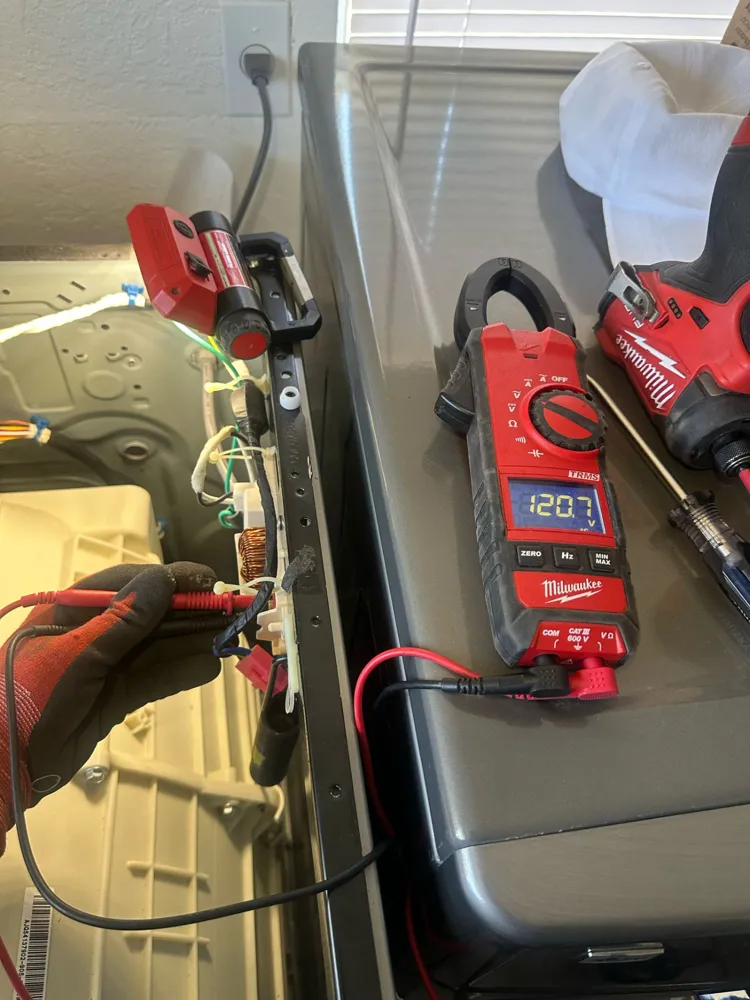
Washer electrical testing
Checking voltage and control wiring with a meter to pinpoint the fault.
Recent work
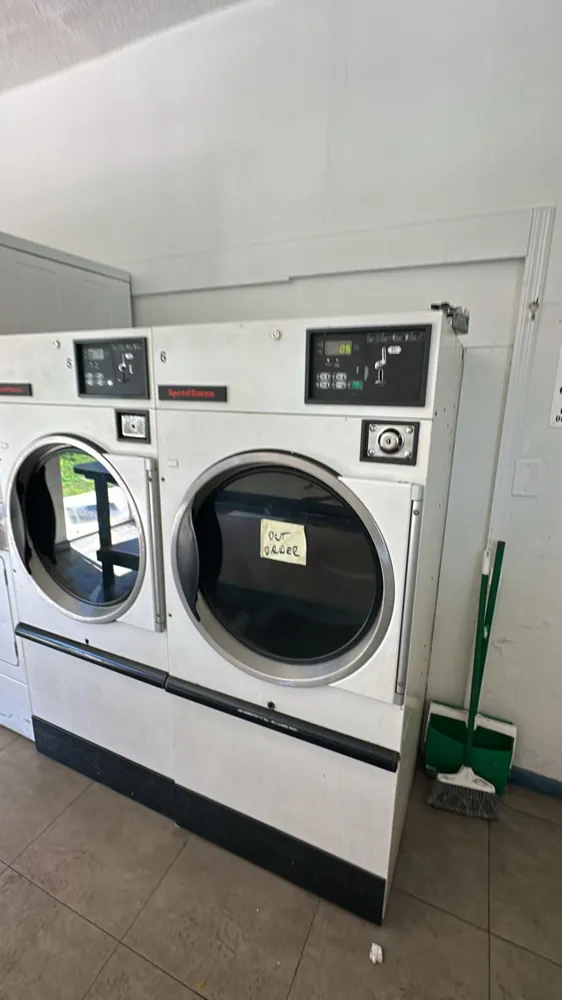
Commercial dryer service
Stacked commercial dryers serviced for a laundry room.
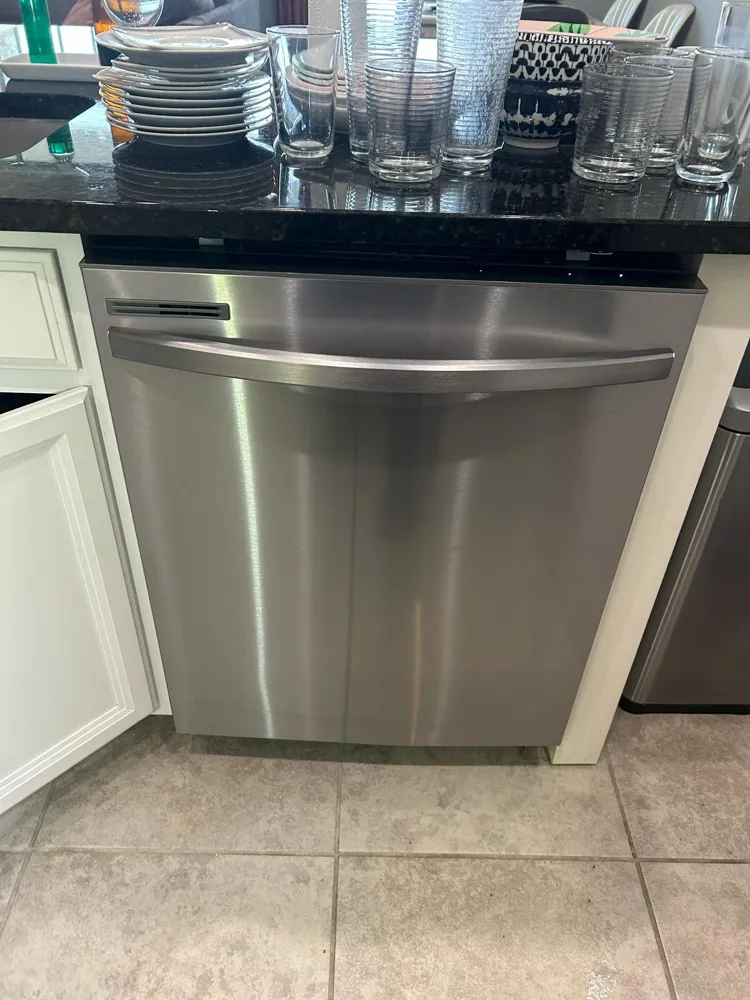
Recent work
Dishwasher installation
New stainless dishwasher fitted, leveled and tested.
Related services
You may also need
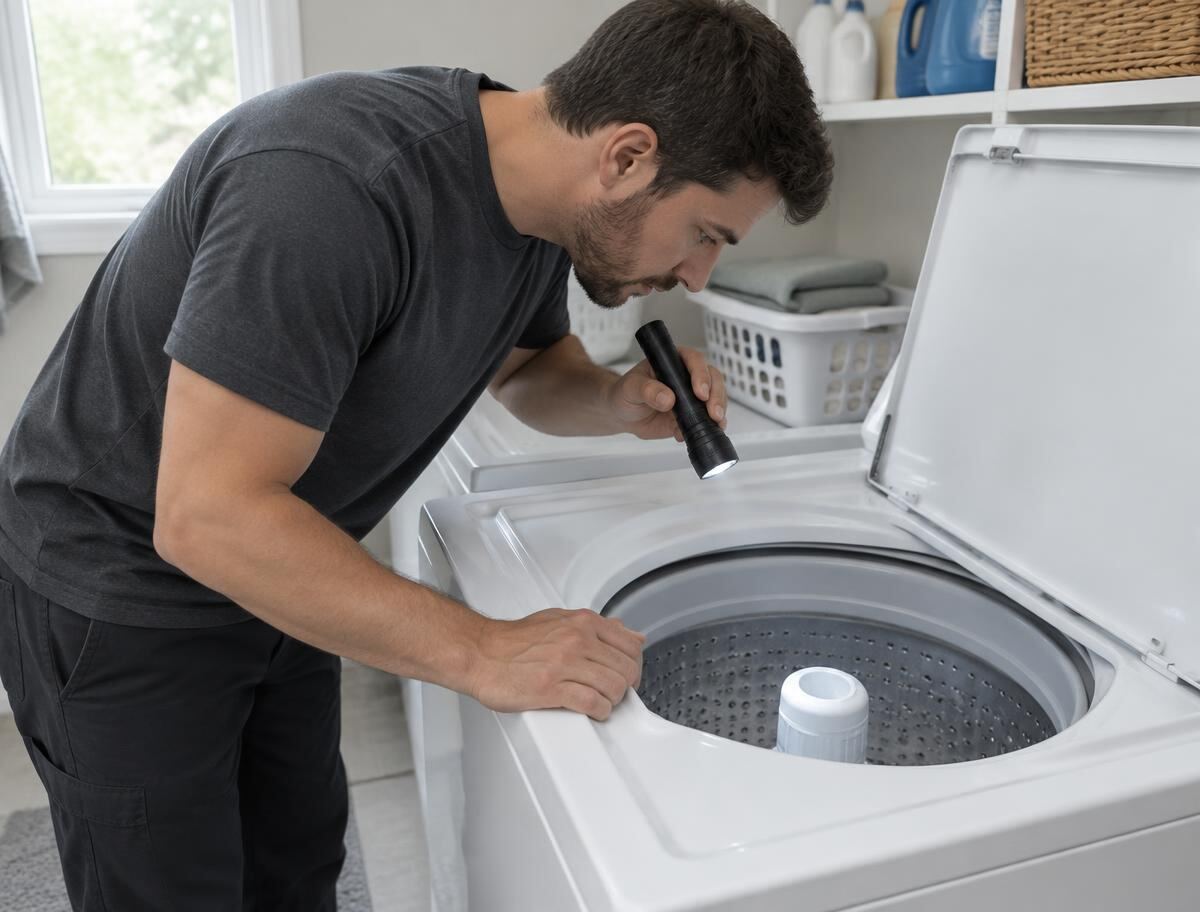 Washing Machine Repair
Get help with washer leaks, drainage problems, excessive vibration, and interrupted cycles through careful diagnosis and practical repair recommendations.
Learn more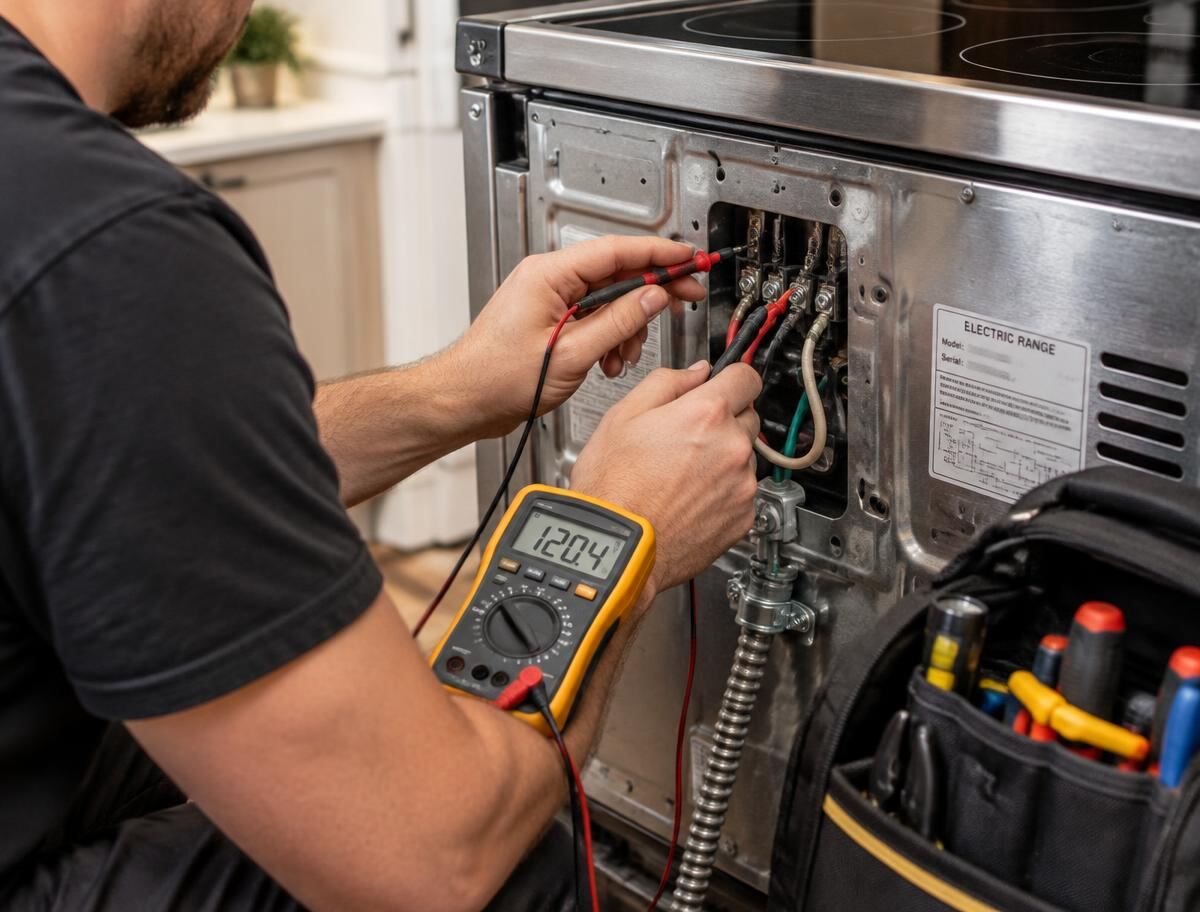 Electric Appliance Repair
Investigate electric appliance heating failures, power interruptions, faulty switches, and control issues with measurements that help isolate the underlying problem.
Learn more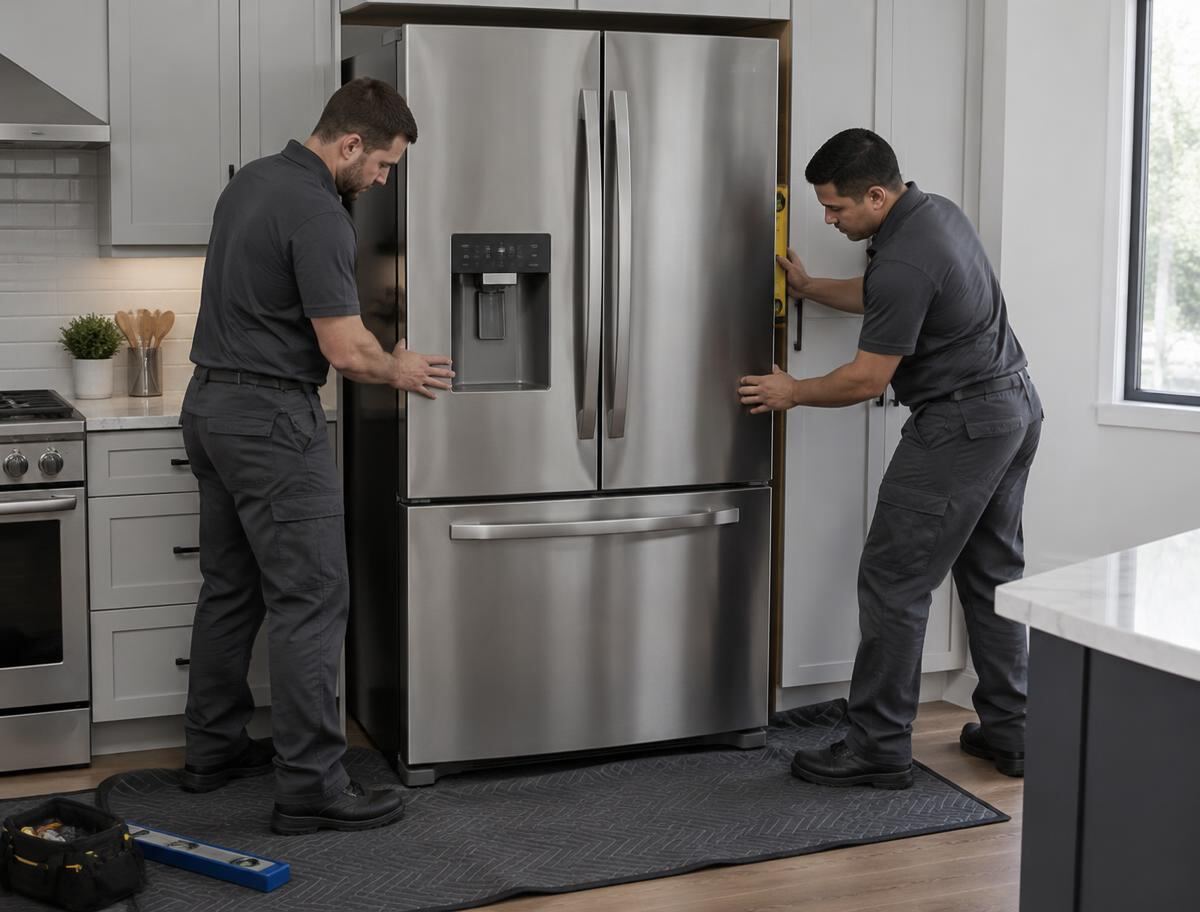 Appliance Installation
Arrange refrigerator, washer, dryer, or dishwasher installation with attention to connections, placement, clearances, and the appliance manufacturer's setup requirements.
Learn more
Service coverage
This service is available to homes and businesses in Mount Holly, NC. See what's available locally.
FAQs
Dryer Repair Service questions
Why does my dryer heat but take too long?
Heat alone cannot dry clothing efficiently if moisture cannot leave the drum. Restricted exhaust airflow, overloading, or poor drum movement can lengthen cycles even when the heater works. Temperature-control and sensing faults are also possible. Note whether every load is affected and stop use if the dryer becomes unusually hot.
Does cleaning the lint screen rule out an airflow problem?
No. The lint screen is only one part of the airflow path. The connector behind the dryer, internal passages, and the remaining exhaust route can still be restricted. A clean screen does not establish that air is leaving properly. Describe slow drying or overheating so airflow concerns remain part of the assessment.
What causes a dryer to squeal only after warming up?
Some worn moving components become noisier as operating temperature and load conditions change. Rollers, an idler, bearings, or seals may be involved, depending on the design. A recording can help describe an intermittent noise, but do not keep running a dryer that also smells scorched, binds, or shows excessive heat.
Why does sensor drying stop while clothes are damp?
Automatic drying depends on suitable contact with moisture sensors and appropriate control responses. Very small loads, mixed fabrics, contaminated sensing surfaces, or a circuit fault can affect the result. Check the owner's manual for approved cleaning and load guidance. Persistent early stopping warrants diagnosis rather than routinely extending every load.
Is a dryer thermal fuse the whole repair?
Not always. A failed protective device can be the result of another problem, including restricted airflow or abnormal temperature control. Replacing it without investigating the cause may leave the underlying fault unresolved. Safety devices must never be bypassed. Ask what caused the failure and what the proposed repair addresses.
Free estimate
Request a free estimate
Do not let repeated drying cycles become the routine response to a developing fault. Redtell Appliance Repair can investigate heat, airflow, drum movement, and sensing concerns, then explain the recommended work. Call to request a free estimate, describe the load conditions and symptoms, and ask about emergency service if overheating or another urgent problem has interrupted use.
- Call any time(980) 270-2101
- Info@redtellappliancerepair.com
- Message us on WhatsApp
- Open 24 hours, 7 days a week